Episodes Conversations
Conversations
The Most Difficult Cases We Have Treated
Every clinician has cases they remember forever. Brett and Bill share some of the most difficult, humbling and educational cases of their careers: diagnostic uncertainty, procedural complications, unexpected outcomes and treatment failures, and how they communicate with patients during challenging situations.
Guests in this episode
-
Dr. David Landwehr — Endodontist and oral & maxillofacial pathologist · Madison, WI (interview clip)
A Wisconsin native, Dr. Landwehr studied at the University of Wisconsin–Madison and earned his DDS from the University of Minnesota in 1994. He then completed an MS and certificate in Oral and Maxillofacial Pathology at The Ohio State University, followed by endodontic specialty training at the University of Michigan. He practices at Capital Endodontics and lectures widely for dental organizations on endodontics and oral pathology.
Monday-morning takeaway
When the findings don't match the story, like swelling with a tooth that won't get numb, or vital tissue where you expected necrosis, stop and re-diagnose, and get a second set of eyes. And when you make a mistake, tell the patient plainly and calmly; you can't hide it.
Chapters
Clinical pearls
Bill: Respect ultrasonic heat deep in the canal. In his opinion, long, deep ultrasonic use while hunting a second canal in a lower incisor, likely without enough water reaching the tip, burned the PDL and led to the loss of the tooth.
Brett: Don't count on bleeding to warn you of a perforation. With sodium hypochlorite in the canal, a vessel can be nicked chemically and not bleed. His lesson: if you're not sure, take a few angled images, because one poorly angled master cone image let a correctable error get obturated.
Bill: When the story doesn't add up, question the diagnosis. Swelling plus a tooth that couldn't be numbed, then vital, bleeding pulp, told him the problem wasn't that tooth. "We're not looking for the zebras." When he was still stuck, he had his partner repeat the full workup without telling him his findings (19:33).
Brett: Constant, severe pain that doesn't respond to pain relievers, with a lesion that won't resolve, should be fast-forwarded to the oral surgeon, even if you do the endo. Sometimes removing the pulp is step one of the diagnostic process.
Brett: Check which tooth the dam is on, especially in the lower anteriors, where neighbors look alike. If you do access the wrong tooth, you can't hide it: tell the patient plainly, take responsibility, and keep your words and your energy calm rather than doomsday.
Show notes
Every endodontist has cases they'll never forget. Bill and Brett open up about theirs: a lower incisor retreatment that ended in exposed bone and a lost tooth, an MB2 that turned out to be a perforation, a swelling that wasn't coming from either tooth Bill opened, and a rubber dam placed on the wrong tooth. For each one they ask the same question: what did we learn? Along the way they talk about owning errors, leaning on specialists who don't judge you, and how to tell a patient something went wrong without hiding or panicking. The episode also includes a clip from our interview with Dr. David Landwehr.
For professional education. Content reflects the hosts' clinical experience and is not a substitute for individual clinical judgment.
In this conversation
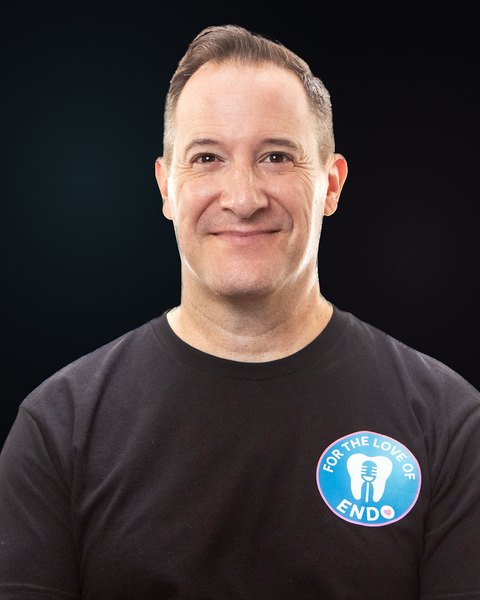
Co-Founder & Host
Dr. Brett Gilbert
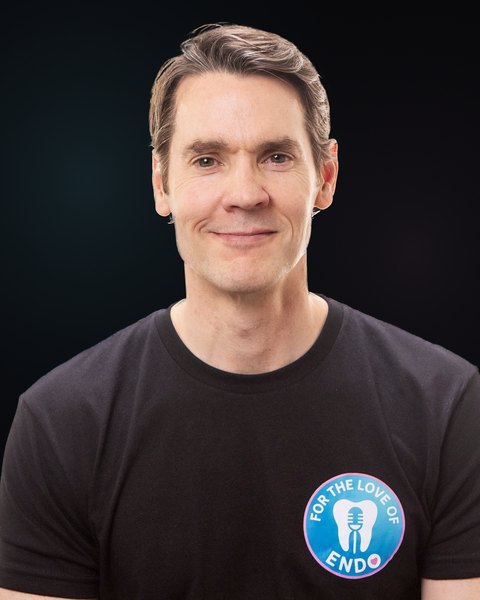
Co-Founder & Host
Dr. Bill Nudera
Keep listening
Got a case like this? Send it in →
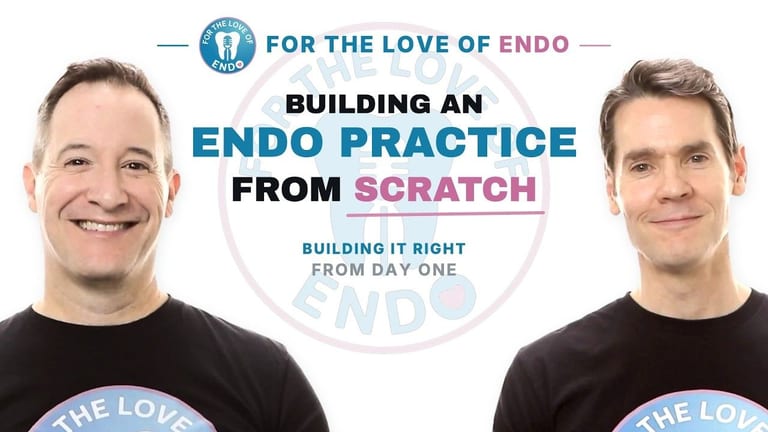
Building An Endodontic Practice From Scratch
Opening the doors to a new practice is often viewed as the beginning of the journey. In reality, it is only the start. Brett and Bill share what it takes to build an endodontic practice: location, financing, office design, team, referral relationships and a culture that supports long-term growth.
Flagship Partner

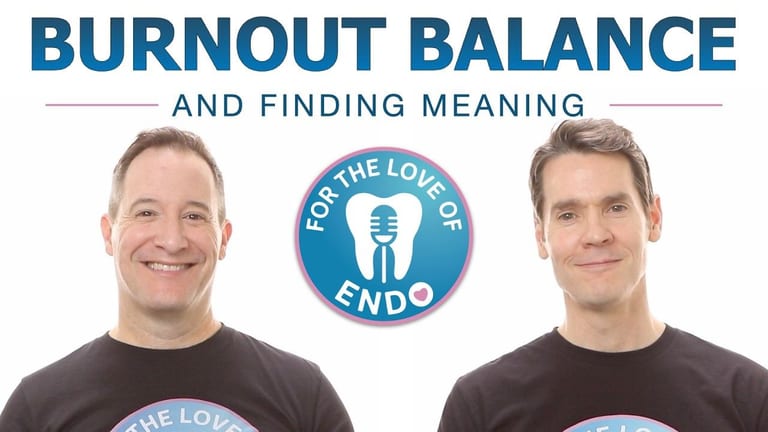
Burnout Balance and Finding Meaning
Dentistry can be an incredibly rewarding profession, but success does not always guarantee fulfillment. Brett and Bill have an honest conversation about burnout, balance and finding meaning: perfectionism, self-imposed pressure, business responsibilities, patient expectations, and the habits and mindset shifts that help them keep perspective.